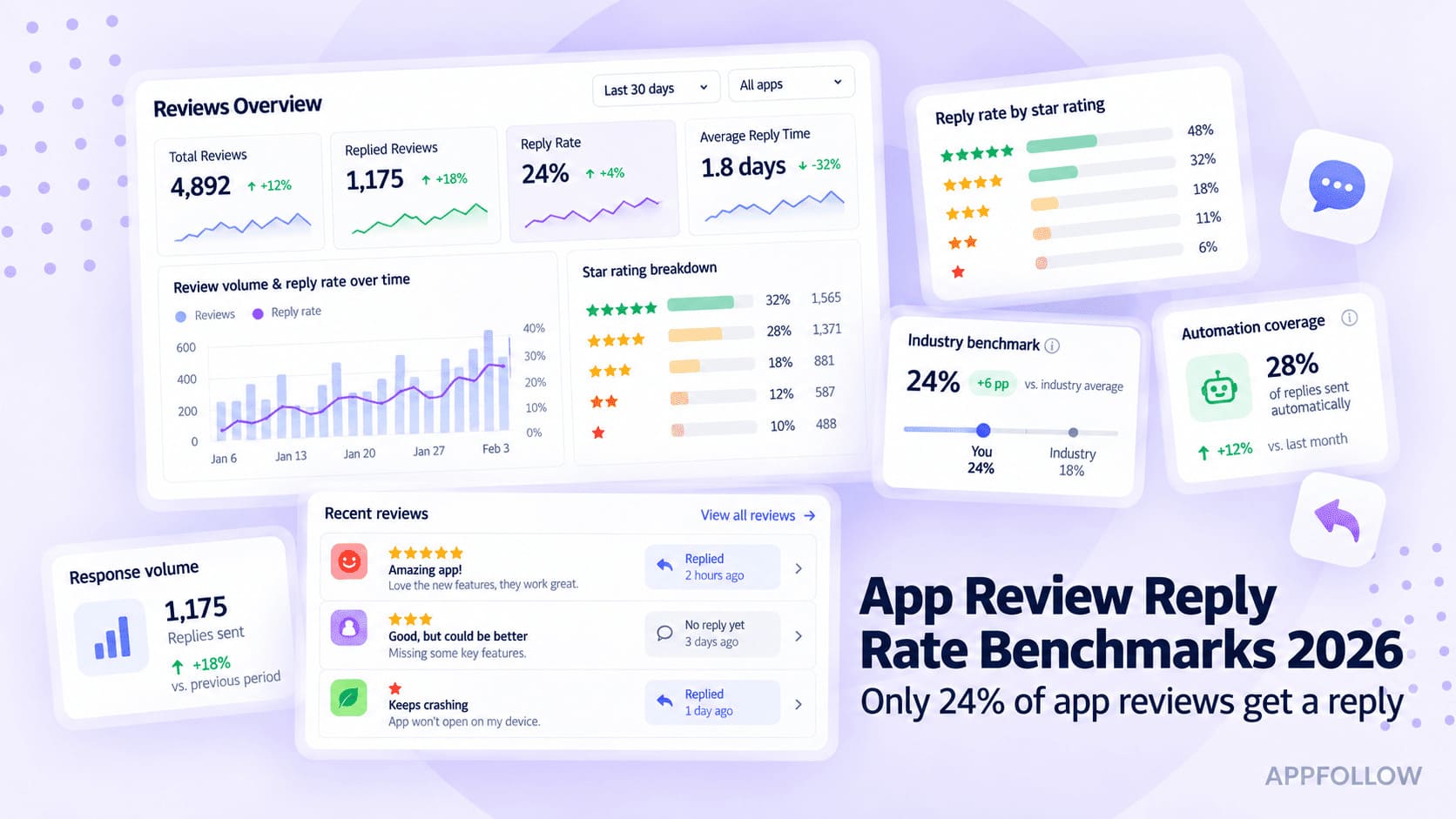
Ratings & Reviews performance provides an overview of what users think of your app. Here are the key metrics to help you identify how your app is rated by users and how successful is your review management strategy.
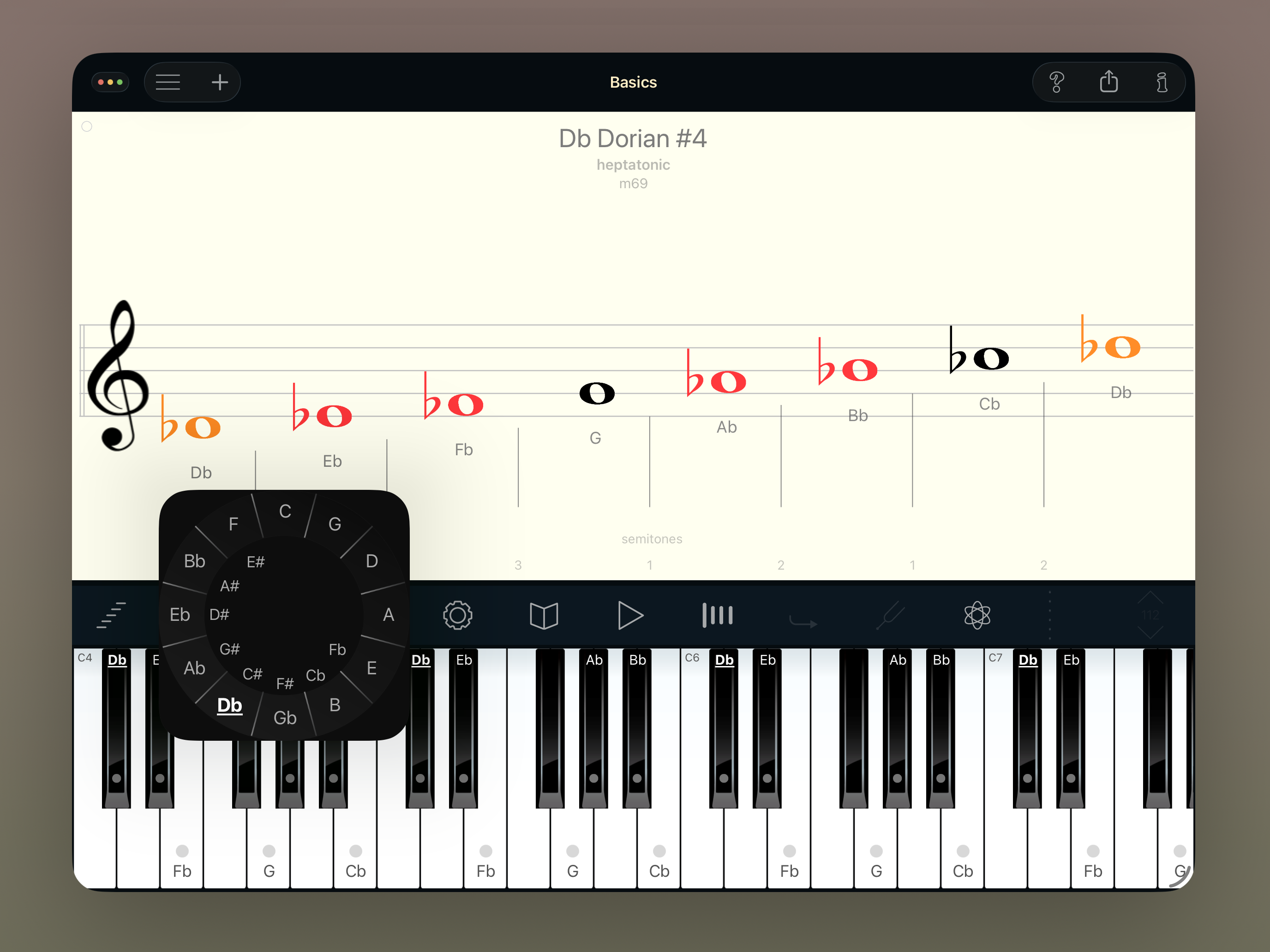
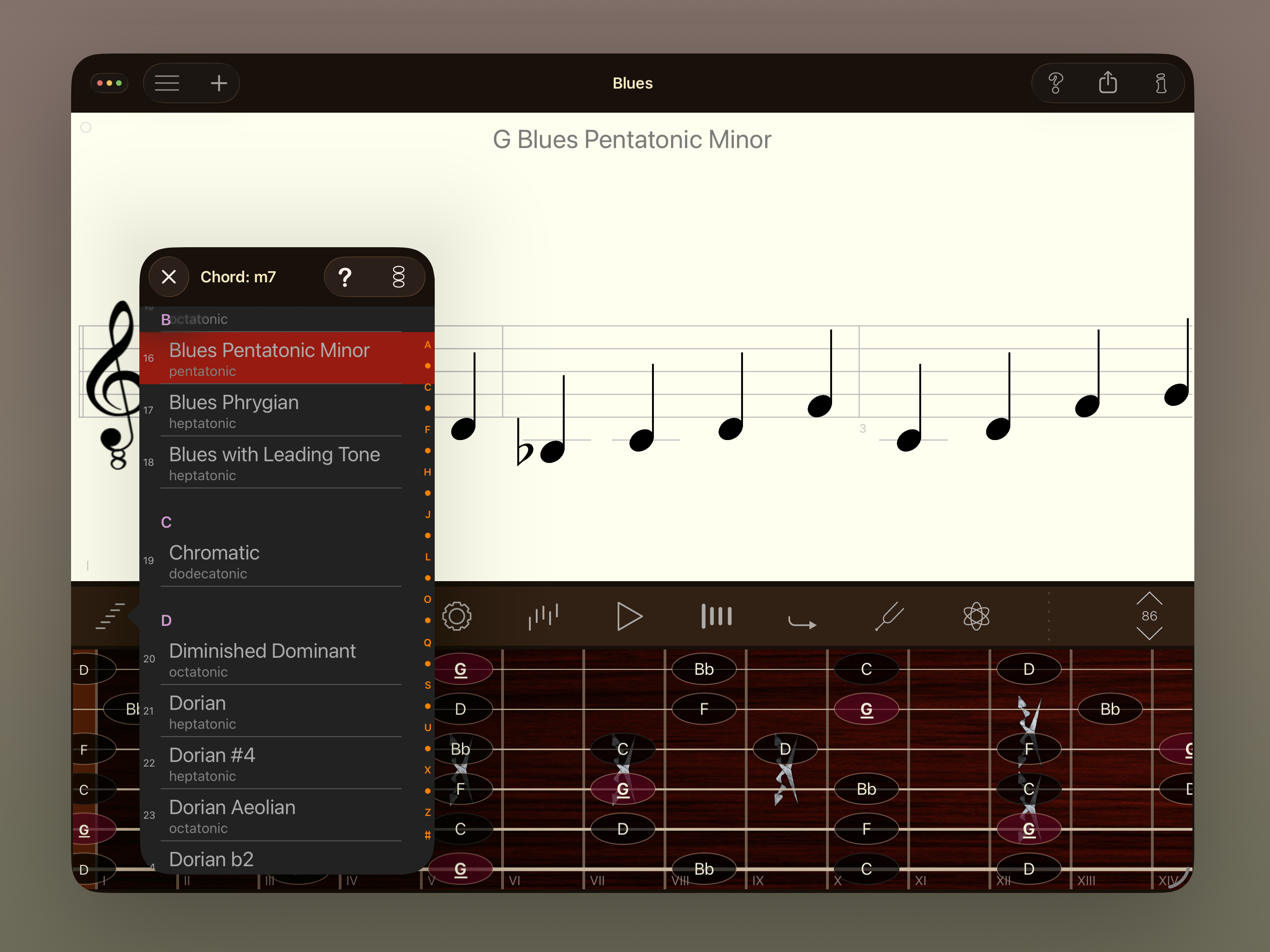
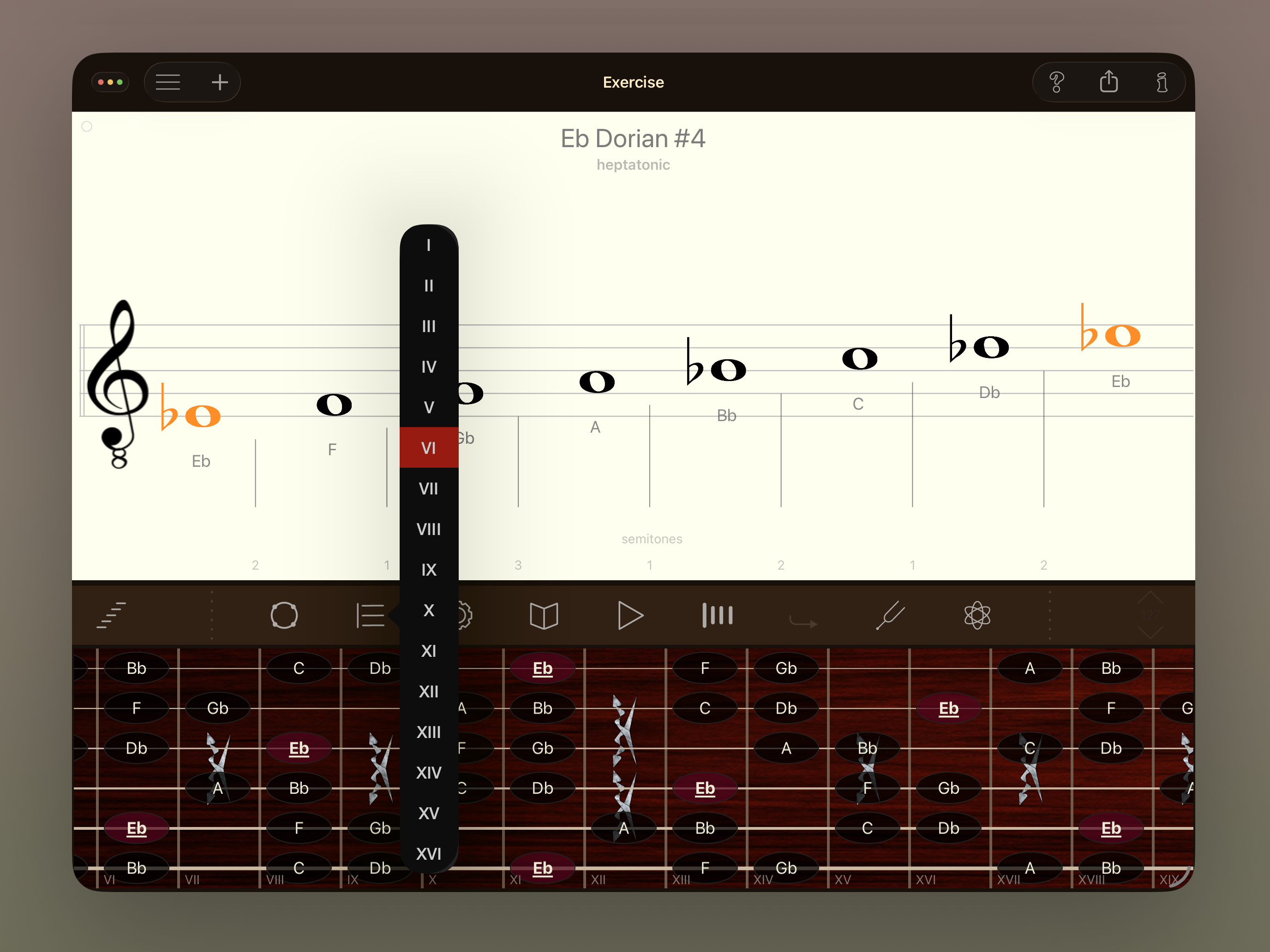
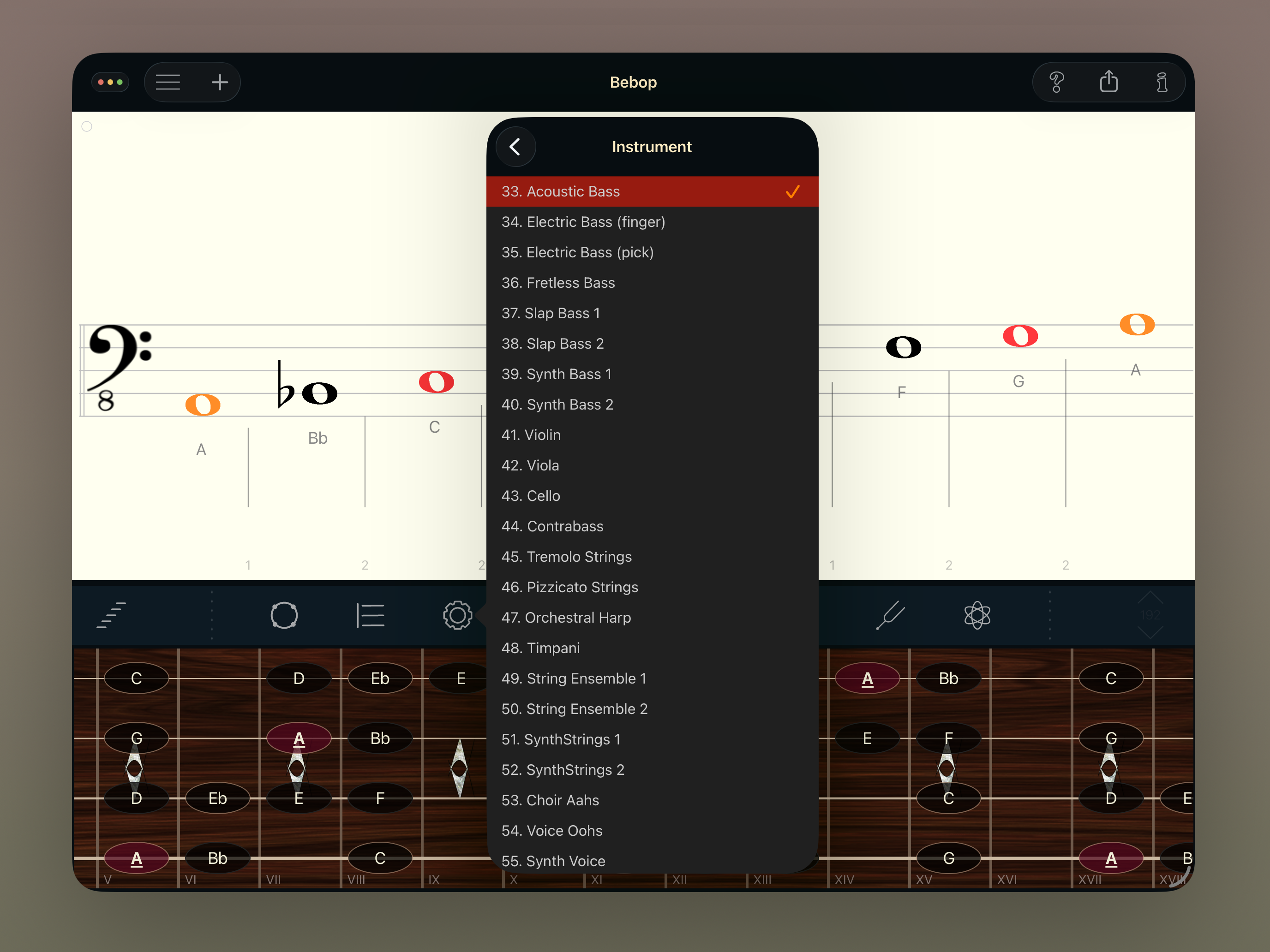
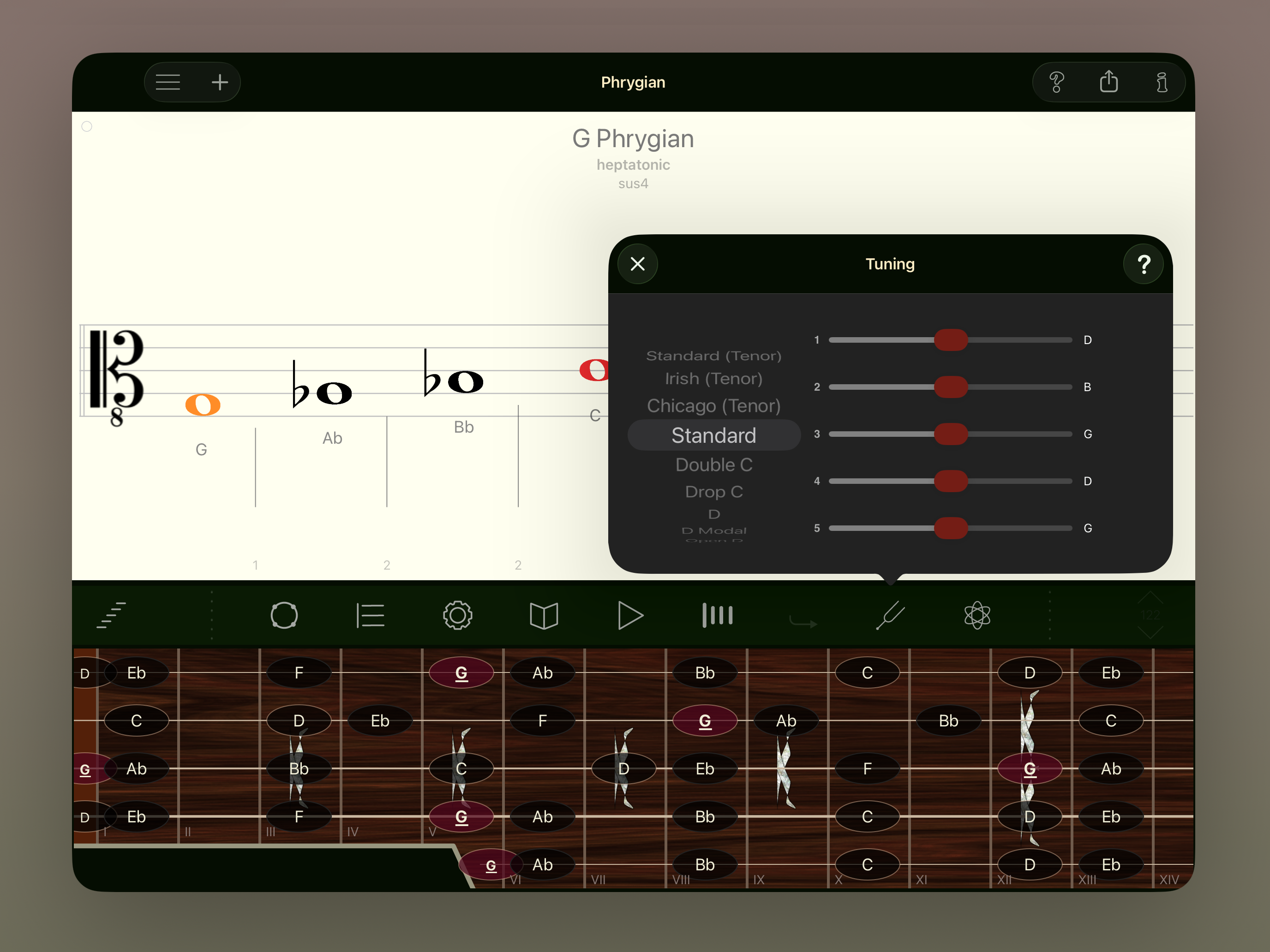
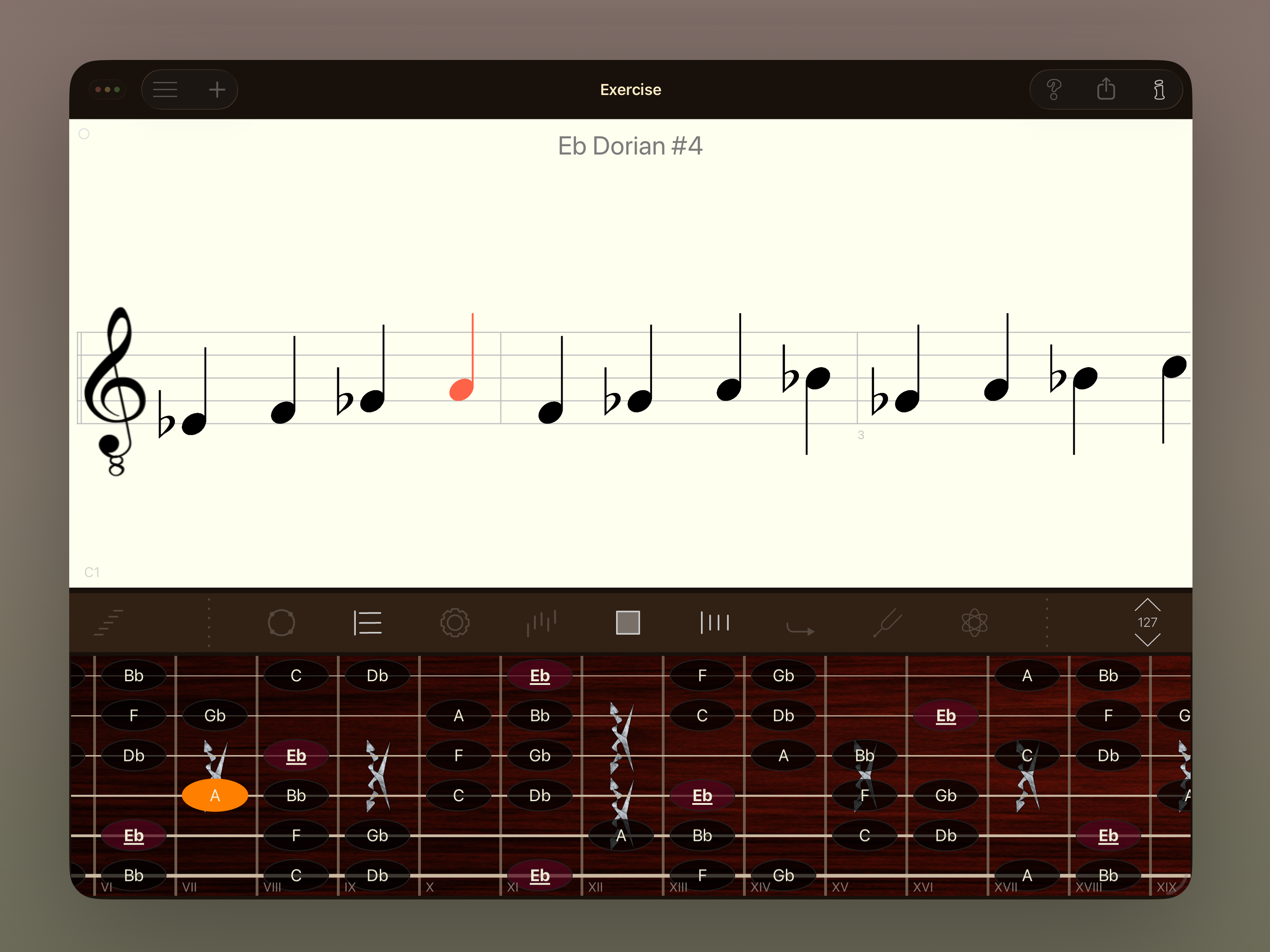
Just started piano lessons? Or maybe you picked up that cool looking headless guitar from an auction site and surprise, it's a baritone and in D! Or perhaps you've been playing violin for a while, but that new piece has you wondering about the harmonic minor scale. And if you picked up a mandolin this time instead of yet another guitar, you certainly want to see how your favorite pentatonic is played on that slim fretboard. Starting out can be rough, but learning continues as our interests evolve and that is fantastic. ScaleMaster is your go-to companion for learning scales on your instrument, and no matter how we look at it, scales will remain an essential part of our musical journey as beginners or professionals. Seeing any scale in music notation and on your instrument at the same time is pretty cool. No need to translate between the two. The notation shows you what to play, and your instrument shows you where your fingers go. Whether you're just starting out or need a quick reference, it's all right there. As you practice, you'll want to speed things up, slow them down. Maybe you've got your fingers organized after a couple weeks of working that harmonic minor mode, or you're working through a tricky passage. Adjust the tempo and keep pushing yourself. Save your scales too, that E Blues scale you've been working on, the exercises for your band's repertoire, or the scales you're exploring for that chord progression that keeps showing up. Each scale document remembers your instrument and where you left off. And that includes positions because for some of us an F Mixolydian scale looks very different in 5th position than it does in 3rd. But as for help with improvising, this is where ScaleMaster really shines. That Bbm7b5 chord keeps coming up, and you're tired of that same old scale. So, find the scales that work. Hear how they sound, and flip back and forth between different possibilities until something clicks. It's not about memorizing every scale, it's about discovering the ones that speak to you and expanding your vocabulary when you need it. If you're a pianist, you get a full 88-key interface. Guitar players get the 24 frets they want. String players can set custom tunings, that detuned E string on your violin, your new five-string banjo, or that Open D tuning for that one song. And when you're ready to work on reading music, switch clefs and practice with the same scales you know by ear. It all connects. • Over 200 scales from around the world • Scale visualization for your instrument in music notation and schematic • Reference instruments: piano, guitar, bass, banjo, mandolin, violin, viola, cello, double bass • Scale documents recording instrument, position and more for current and future reference • Universal transposition of any scale or exercise • All common clefs for reading practice • Dozens of tuning presets There are two main pillars to ScaleMaster Pro - reference and play. Finding good scale options for that old major chord is one thing, evaluating their sound another. For that you can generate scale patterns, change their tempo, key and sound to get a taste for what fluency would get you. Reference - as in reference instruments, alternate tunings, sound and notation alternatives and more. Playing along on the other hand is foremost excellent practice. You can slow things down or crank up the speed - ScaleMaster shows you where the notes are and play along if you want it to. Scales are a central topic for us musicians with many periods of interest. For a while we're into pentatonics but then get caught up in blues scales, church modes, exotic scales and more. ScaleMaster helps keep track and lets you sound things out.