Ratings & Reviews performance provides an overview of what users think of your app. Here are the key metrics to help you identify how your app is rated by users and how successful is your review management strategy.
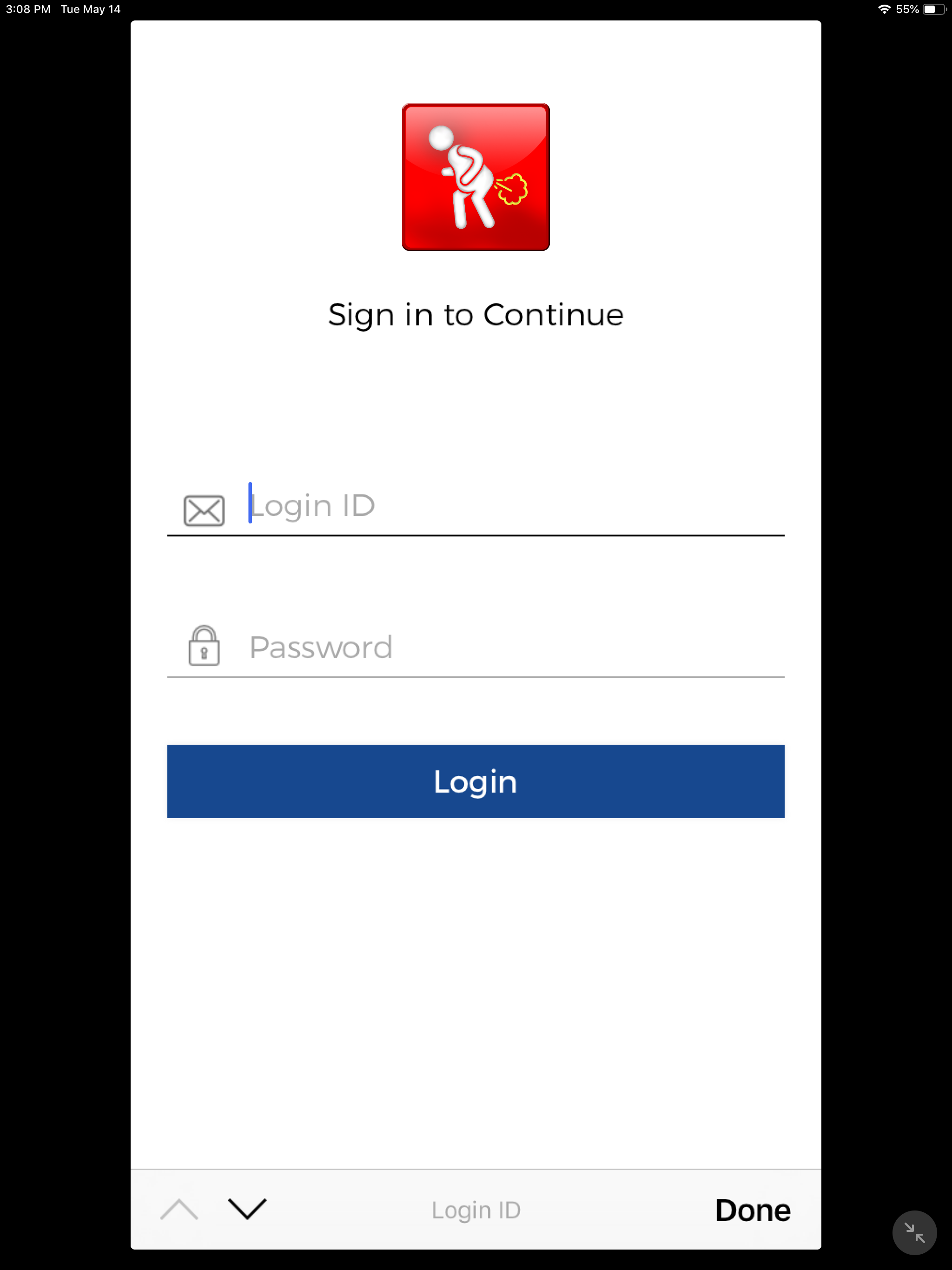
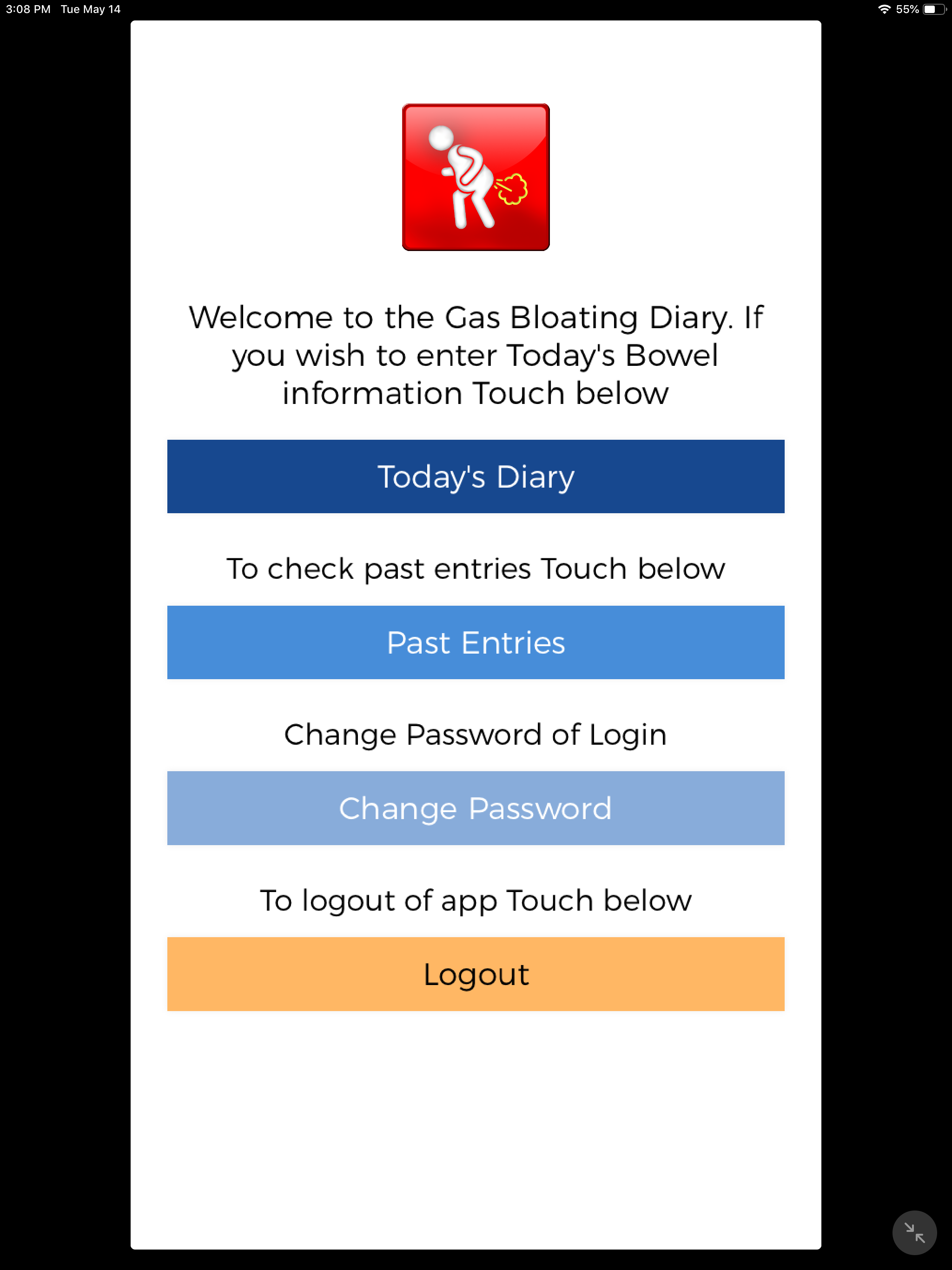
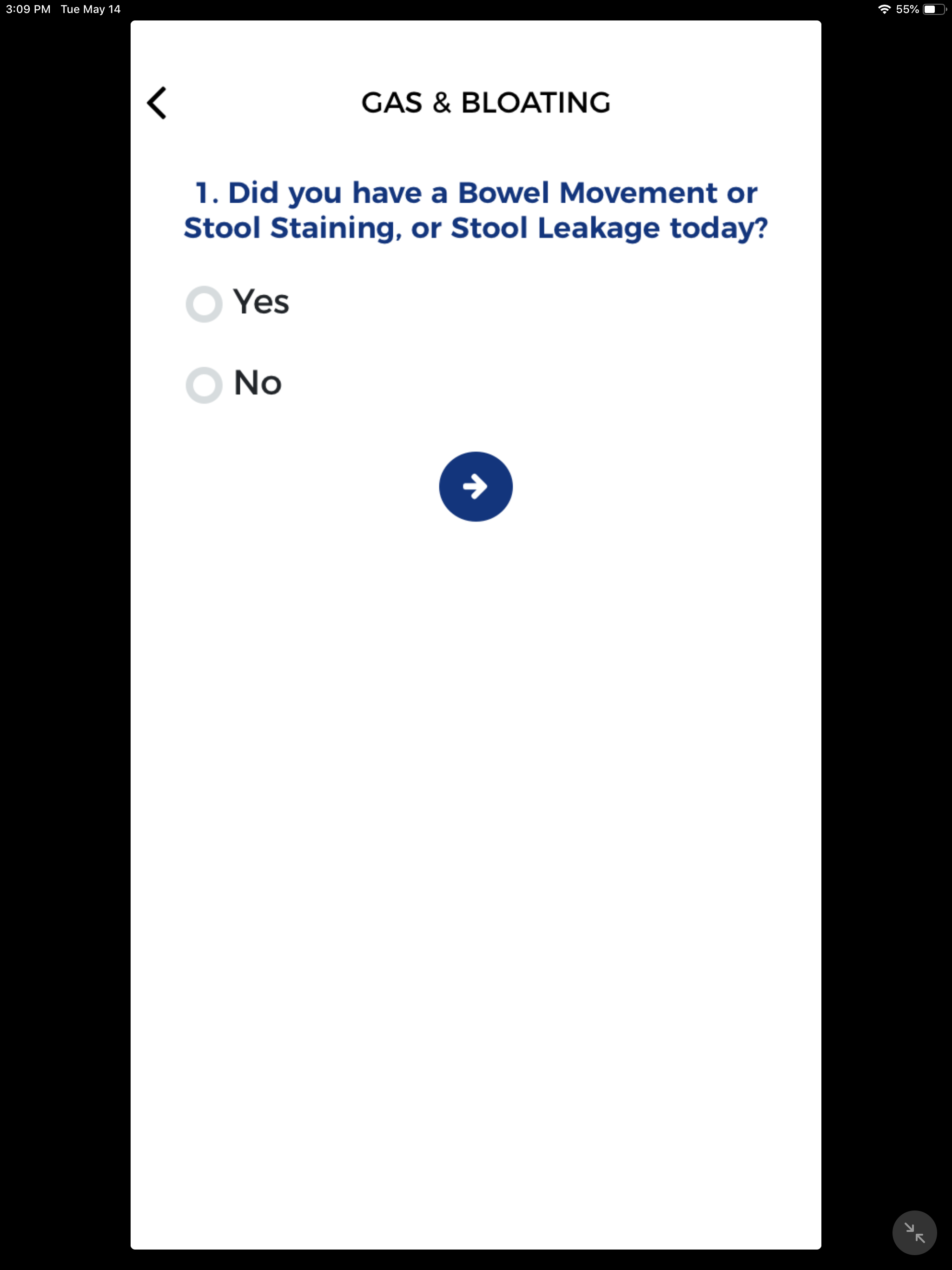
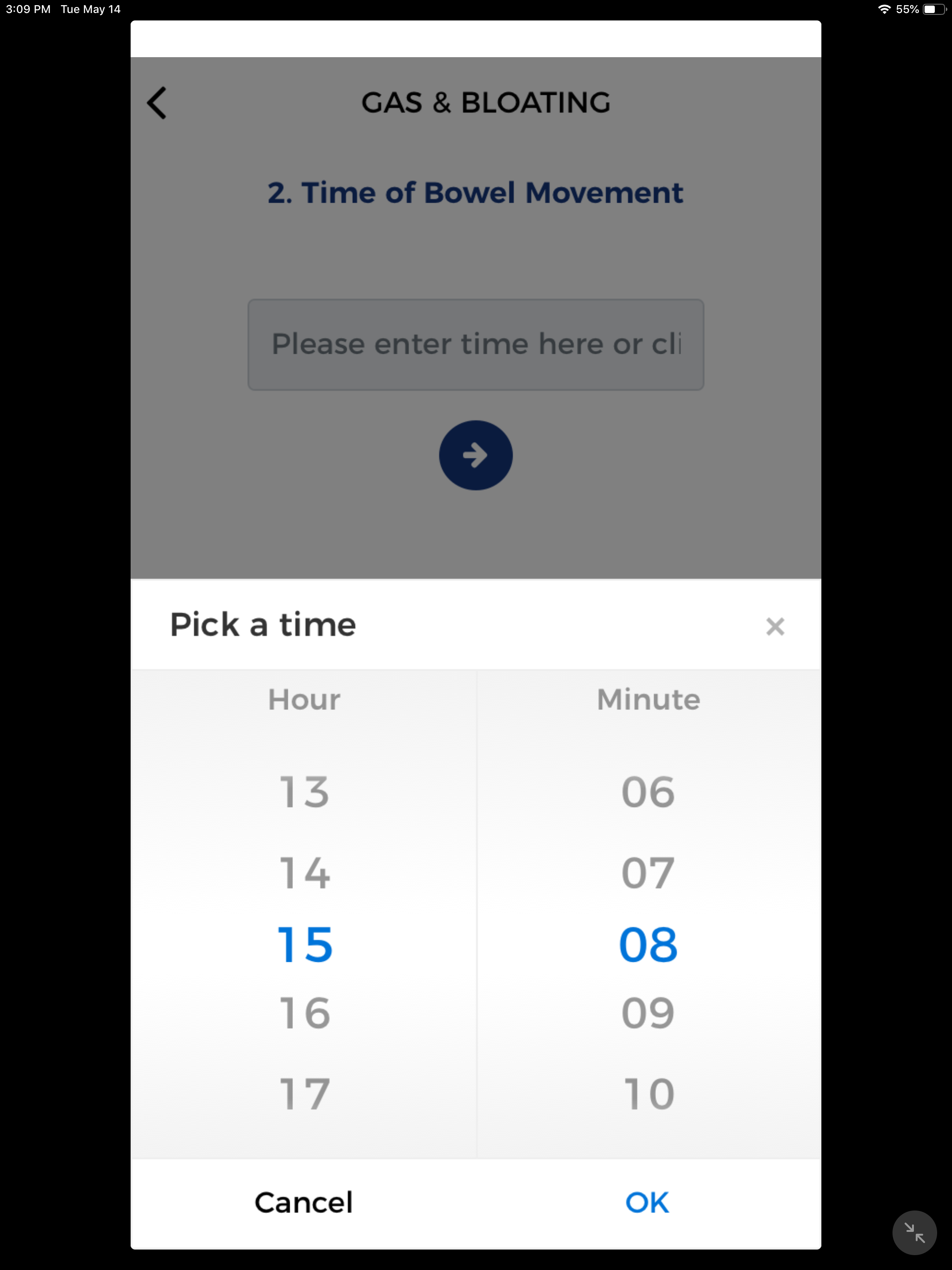
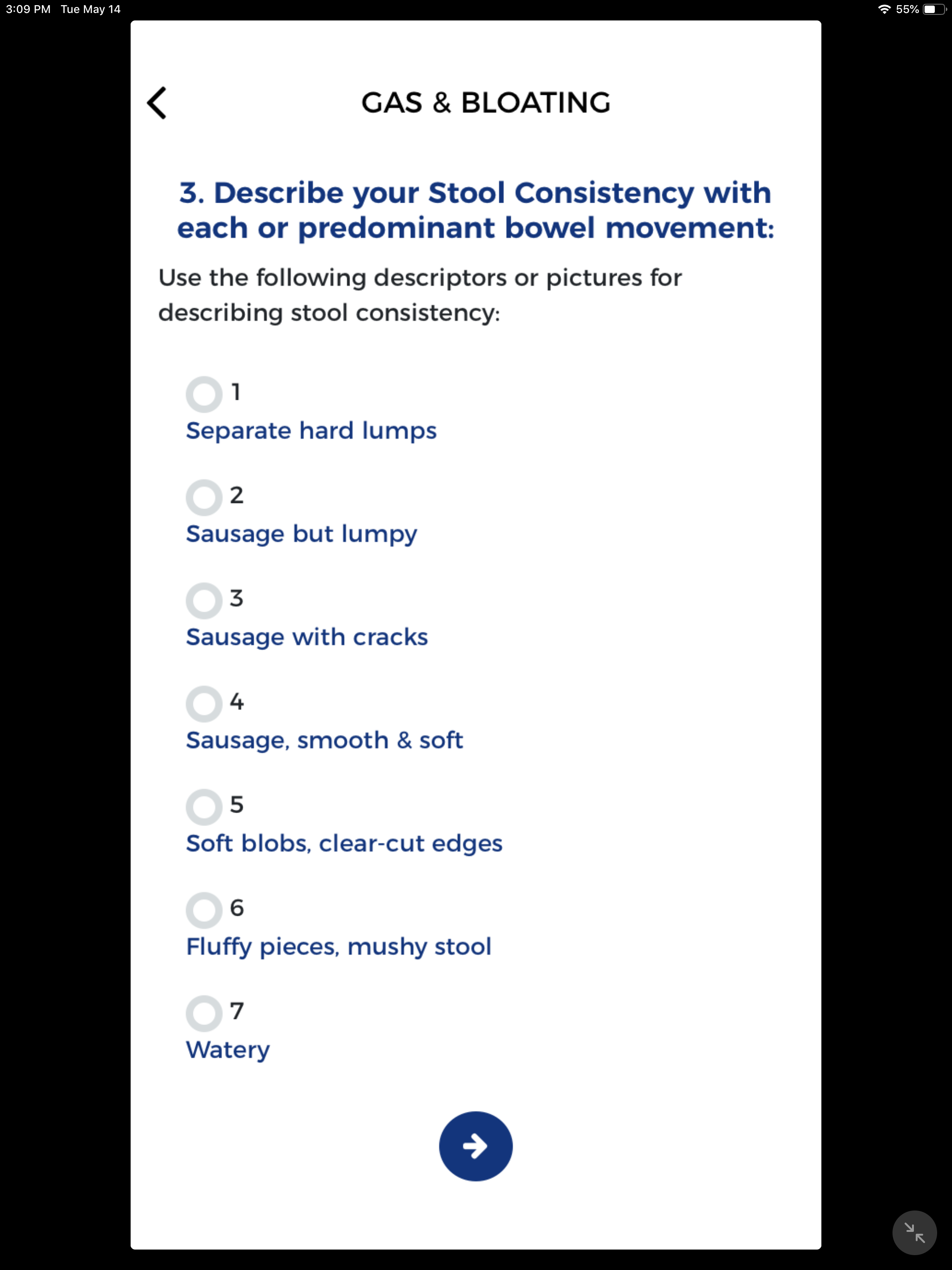
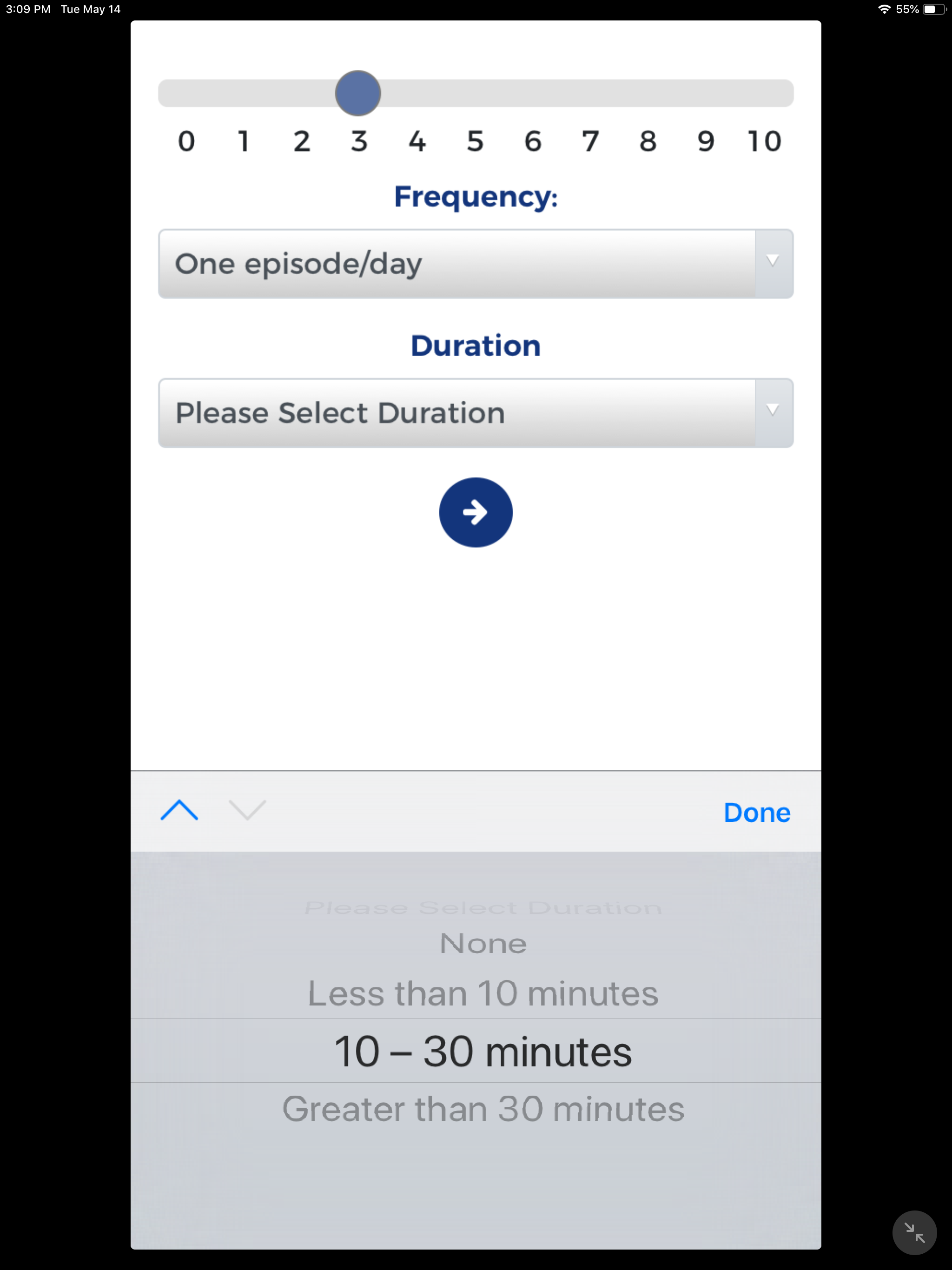
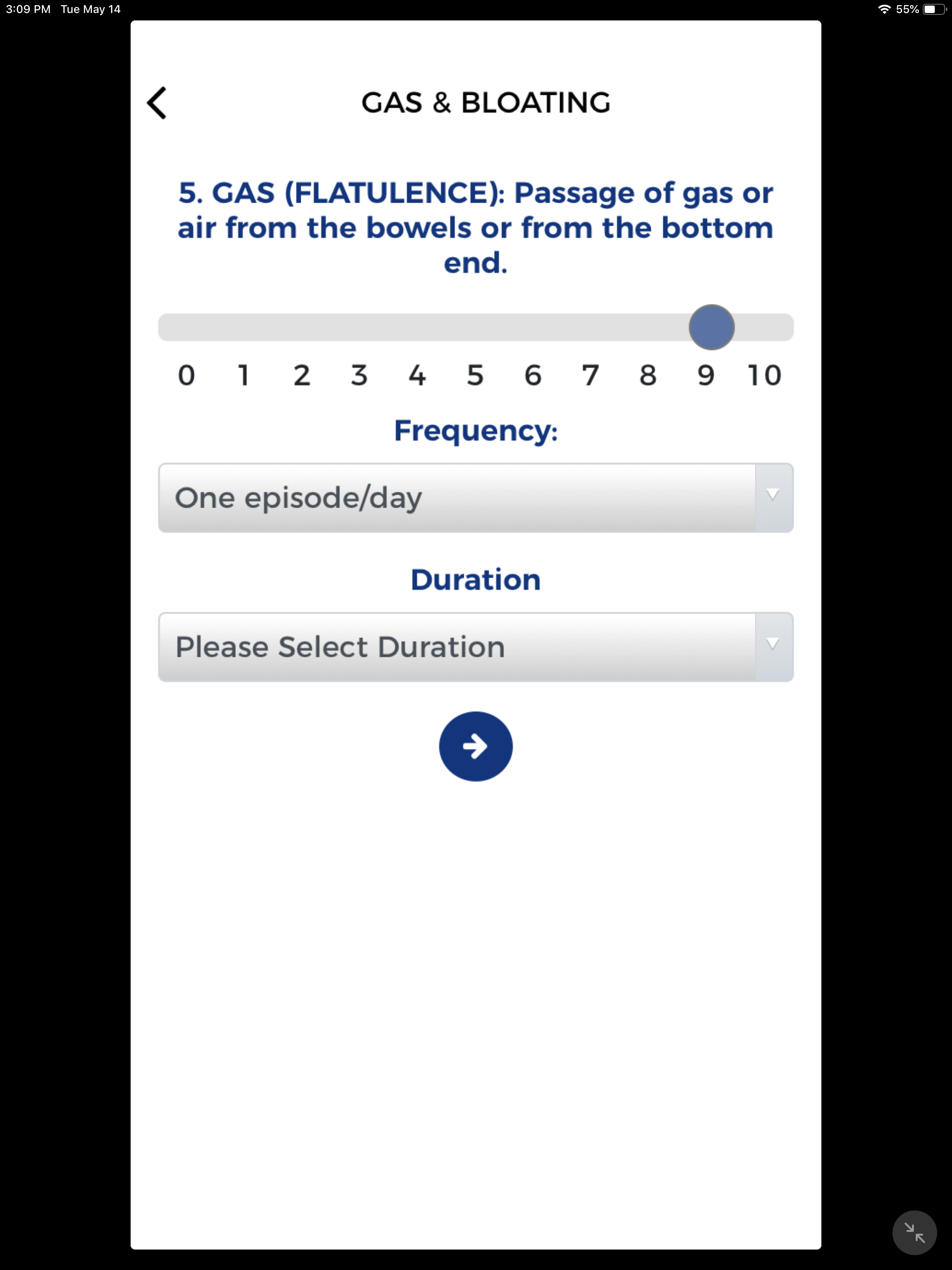
The Gas and Bloating Diary Instrument (GABDI) is a list of patient-reported symptoms that are used for the evaluation of abdominal problems associated with gas and bloating. This problem affects 15-20% of the US population. GABDI comprises of 11 commonly experienced symptoms, and each one is assessed for its intensity, frequency, and duration. Because the incidence and nature of these symptoms vary day to day, and it is often difficult to accurately remember them, there is a significant recall bias. Hence, it is important to prospectively, accurately, and in a timely manner document and assess these patient-reported abdominal symptoms for use in clinical trials, and assessment of these patients. Authors: Satish Rao MD & Neurogut Inc. Objective: To assess the presence of and severity of patient-reported abdominal and bowel symptoms related to the occurrence of gas and bloating, for use in clinical trials, and the assessment of patients with gas and bloating. Therapeutic Areas: • Gastrointestinal and Digestive System Diseases • Pathological conditions, Signs and Symptoms Therapeutic indications: • Gas and bloating • Abdominal Distension • Abdominal discomfort and pain • Belching • Constipation and diarrhea • Small Intestinal Bacterial Overgrowth (SIBO) or Fungal Overgrowth (SIFO) • Food Intolerances Type of Clinical Outcome Assessment (COA) Patient Reported Outcome (PRO) assessment Original language English for the USA Bibliographic reference for the original questionnaire: Choi YK, Kraft N, Zimmerman B, Jackson M, Rao SSC. Fructose intolerance in IBS and Utility of Fructose- restricted diet. J Clin Gastroenterol 2008; 42:233-238.